Wearable history is more than just old clothes sitting behind museum glass. It’s the living, breathing story of who we are, where we came from, and how societies evolved over time. Every fabric, stitch, and silhouette reflects the values, technology, and daily realities of the people who wore them. From ancient animal skins to smartwatches and fitness trackers, wearable history connects the past directly to the present.
In this article, we’ll explore wearable history in depth—how it began, how it changed through major civilizations, how fashion became a symbol of power and identity, and how modern wearable technology is writing the next chapter. Written casually but with expert insight, this guide will walk you through more than a thousand years of human innovation, expression, and adaptation.
The Origins of Wearable History: Survival Before Style
The earliest chapter of wearable history begins with survival. Long before clothing became fashionable or symbolic, it served a purely practical purpose. Early humans used animal hides, leaves, and natural fibers to protect themselves from harsh climates, sharp terrain, and environmental dangers. These first wearables were not about aesthetics—they were about staying alive.
Over time, these primitive garments became more refined. As humans learned to tan hides, weave plant fibers, and shape materials, clothing slowly evolved from simple coverings into functional designs. Even at this early stage, wearable shows signs of innovation. Different regions developed unique solutions based on climate and available resources, laying the groundwork for cultural diversity in clothing.
What’s fascinating is that even the earliest wearable history hints at identity. Archaeological discoveries suggest that early humans decorated clothing with shells, bones, and pigments. These additions likely indicated status, tribal belonging, or personal achievement. So while survival was the starting point, self-expression quickly followed.
Ancient Civilizations and the Rise of Cultural Wearables

As civilizations formed, wearable history took on deeper meaning. In ancient Egypt, Mesopotamia, India, and China, clothing became a clear marker of social class, occupation, and religious belief. Linen robes in Egypt symbolized purity, while elaborate jewelry signified wealth and divine favor.
In these societies, history wasn’t just about what people wore—it was about what they were allowed to wear. Sumptuary laws dictated fabrics, colors, and accessories based on social rank. Purple dye, for example, was reserved for royalty in many ancient cultures because of its rarity and cost. Clothing became a visual language that communicated power instantly.
Ancient wearable history also reflects technological progress. The invention of looms, needles, and dyes allowed for more complex garments. Embroidery, pleating, and layering emerged, transforming clothing into both functional and artistic expressions. These advancements laid the foundation for fashion as we understand it today.
Medieval Wearable History: Status Woven into Fabric
The medieval period marked a turning point in wearable history, especially in Europe. Clothing became even more closely tied to hierarchy and profession. Nobles wore rich fabrics like silk, velvet, and fur, while peasants relied on coarse wool and linen. Simply looking at someone’s outfit told you their place in society.
During this era, wearable also intersected strongly with religion. Clergy garments were carefully designed to reflect humility, devotion, or authority, depending on rank. Religious symbolism influenced colors, shapes, and materials, reinforcing the church’s power through visual cues.
At the same time, tailoring improved significantly. Clothes began to fit the body more closely, and fashion trends slowly emerged. Though change was gradual, medieval wearable history shows the early roots of seasonal fashion and regional styles, signaling a shift from purely functional clothing to intentional design.
Renaissance and Early Modern Wearables: Fashion as Power
The Renaissance revolutionized wearable history by placing fashion at the center of art, politics, and personal identity. Clothing became dramatic, structured, and luxurious. Corsets, doublets, ruffs, and gowns weren’t just stylish—they were statements of influence and sophistication.
This period highlights how history reflects economic and political shifts. As trade routes expanded, new fabrics and styles spread rapidly across continents. Silk from Asia, lace from Europe, and embroidery techniques from the Middle East blended into global fashion influences.
Importantly, wearable history during this time became aspirational. People didn’t just dress according to class—they dressed to project ambition. Fashion portraits, tailor shops, and trend imitation became common, proving that clothing had evolved into a tool for social mobility and self-branding.
Industrial Revolution: Wearable History Meets Mass Production
The Industrial Revolution transformed wearable history more than any period before it. Mechanized looms, sewing machines, and factory production made clothing affordable and accessible to the masses. What was once handmade and exclusive became widely available.
This shift democratized fashion but also introduced standardization. Sizes, patterns, and ready-made garments emerged, changing how people interacted with clothing. Wearable history during this era reflects both progress and compromise—efficiency increased, but individuality sometimes decreased.
At the same time, clothing became closely tied to labor and industry. Uniforms, workwear, and protective garments became essential. Jeans, for example, originated as durable workwear before becoming a global fashion staple. This practical evolution is a crucial chapter in wearable history.
20th Century Wearable History: Identity, Rebellion, and Innovation
The 20th century brought rapid and dramatic changes to wearable history. Fashion cycles sped up, influenced by wars, cultural movements, and technological breakthroughs. Clothing became a form of protest, identity, and freedom of expression.
From flapper dresses in the 1920s to leather jackets in the 1950s and counterculture fashion in the 1960s, wearable history mirrored social change. People used what they wore to challenge norms, question authority, and redefine gender roles. Fashion was no longer just about status—it was about voice.
Synthetic fabrics like nylon and polyester also reshaped wearable history. These materials offered durability, affordability, and new design possibilities. Sportswear, casual wear, and global fashion brands emerged, permanently changing how people dressed in everyday life.
Wearable Technology: The Modern Chapter of Wearable History
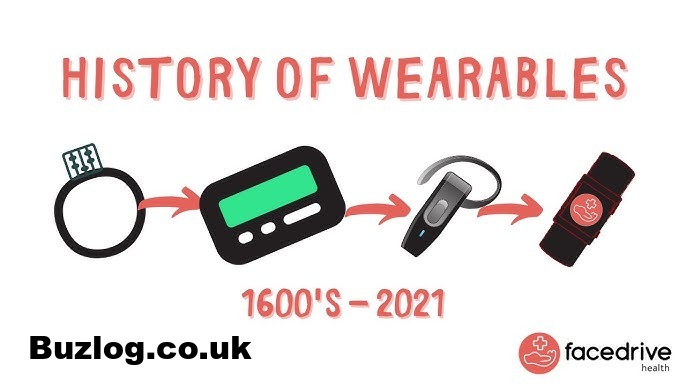
Today, wearable history has entered a new and exciting phase: wearable technology. Smartwatches, fitness trackers, augmented reality glasses, and health-monitoring devices blend fashion with functionality in unprecedented ways. Clothing and accessories now collect data, enhance performance, and even save lives.
This modern wearable history echoes the past in surprising ways. Just like ancient garments signaled identity and status, today’s wearables communicate lifestyle, values, and priorities. A smartwatch can say as much about a person as a royal robe once did.
What sets this era apart is integration. Wearables are no longer separate from daily life—they are embedded in it. As technology advances, wearable history continues to evolve, merging tradition with innovation in ways that future historians will study closely.
Why Wearable History Still Matters Today
Understanding wearable history helps us understand ourselves. Clothing is one of the most immediate forms of self-expression, shaped by thousands of years of trial, error, and creativity. Every trend has roots, and every innovation builds on what came before.
Wearable history also provides insight into cultural exchange and adaptation. Styles travel, evolve, and return in new forms, proving that fashion is never isolated. It’s a shared human experience that connects generations across time and geography.
Finally, wearable history reminds us that what we wear is never neutral. It reflects our environment, beliefs, and aspirations. Whether it’s ancient armor or modern smart fabric, wearables tell stories—and those stories matter.
Conclusion: The Ongoing Story of Wearable History
Wearable history is a continuous narrative, not a closed book. From survival tools to symbols of power, from handmade garments to intelligent devices, what we wear has always shaped—and been shaped by—human life. Each era adds a new layer to this story, blending function, culture, and innovation.
As we move forward into an age of sustainable fashion and advanced wearable technology, we’re not abandoning wearable history—we’re expanding it. The past lives on in modern designs, reminding us that clothing is more than fabric. It’s history you can wear.
If you look closely at what’s hanging in your closet today, you’ll find echoes of centuries gone by. That’s the true power of wearable history—it’s always with us, woven into our everyday lives.