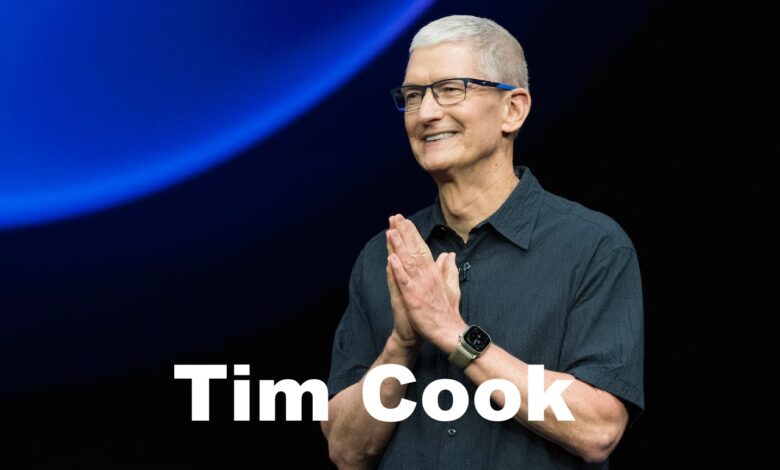
Tim Cook When people think about Apple, many still instinctively picture Steve Jobs pacing a stage in a black turtleneck. Yet for more than a decade, it has been Cook who has steered the company through one of the most complex and competitive eras in tech history. Unlike his predecessor, Tim doesn’t rely on theatrical flair. Instead, his leadership is rooted in precision, operational excellence, and a surprisingly human approach to corporate responsibility.
This article takes a deeper look at Tim Cook—his journey, leadership style, business philosophy, and the lasting mark he’s making on Apple and the wider tech industry.
Early Life and Career Foundations of Tim Cook
Tim Cook was born in 1960 in Mobile, Alabama, and raised in the nearby town of Robertsdale. His upbringing was modest, shaped by a working-class environment where discipline and persistence were essential values. His father worked in a shipyard, while his mother was employed at a pharmacy. These early experiences gave Cook a grounded perspective that still influences his decision-making today.
Education played a key role in shaping Tim Cook career path. He earned a degree in industrial engineering from Auburn University, where he developed a strong interest in systems, efficiency, and logistics. Later, he pursued an MBA from Duke University’s Fuqua School of Business, graduating at the top of his class. This combination of technical knowledge and business expertise would become a defining feature of his professional success.
Before joining Apple, Tim Cook built an impressive résumé. He worked at IBM for 12 years, where he honed his skills in supply chain management and operations. Later, he held executive roles at Intelligent Electronics and Compaq. At Compaq, he served as Vice President of Corporate Materials, but his tenure there was short-lived—because in 1998, he made a bold decision to join a struggling Apple.
Tim Cook Arrival at Apple and Rise to Leadership
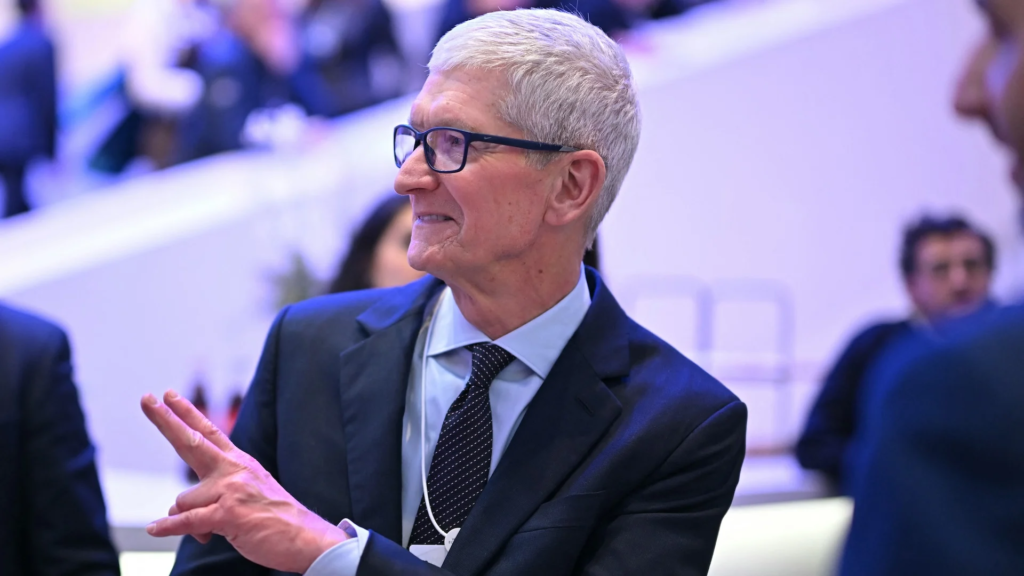
When Tim Cook joined Apple in 1998, the company was far from the powerhouse it is today. Steve Jobs had only recently returned, and Apple was still finding its footing. Many questioned why someone with Cook’s credentials would leave a stable position at Compaq for what seemed like a risky venture. However, Tim saw potential where others saw uncertainty.
At Apple, Tim Cook quickly began restructuring the company’s operations. He closed inefficient factories, streamlined supply chains, and implemented just-in-time manufacturing processes. These changes drastically reduced costs and improved efficiency, laying the groundwork for Apple’s future profitability. While Jobs focused on product innovation, Cook ensured those products could be delivered at scale with remarkable precision.
Over time, Tim Cook became one of Steve Jobs’ most trusted lieutenants. He served as Chief Operating Officer and even stepped in as interim CEO during Jobs’ medical leaves. When Steve Jobs resigned in 2011, he personally recommended Tim as his successor. This marked the beginning of a new chapter—not just for Apple, but for Cook himself.
Leadership Style: How Tim Cook Differs from Steve Jobs
It’s impossible to discuss Tim Cook without comparing him to Steve Jobs, but the differences between them are what make Cook’s leadership so compelling. While Jobs was known for his visionary intensity and sometimes confrontational style, Tim leads with calmness, collaboration, and methodical thinking.
Tim Cook is often described as a “listener.” He values input from his team and encourages a more inclusive decision-making process. This approach has helped Apple retain top talent and maintain a stable internal culture. Under Cook, Apple has become less about one dominant personality and more about collective excellence.
Another defining trait of Tim leadership is his focus on ethics and accountability. He has been outspoken on issues such as user privacy, environmental sustainability, and corporate responsibility. While some critics initially doubted whether Tim Cook could match Jobs’ innovation, he has proven that innovation doesn’t always have to be loud—it can be strategic, steady, and deeply impactful.
Business Strategy and Growth Under Tim Cook
Since becoming CEO, Tim Cook has overseen tremendous growth at Apple. The company has expanded its product ecosystem while also diversifying its revenue streams. Under his leadership, Apple introduced products like the Apple Watch and AirPods, which have become major success stories in their own right.
One of Tim most significant strategic moves has been the shift toward services. Apple Music, iCloud, Apple TV+, and the App Store have collectively become a major revenue pillar. This transition reflects Tim Cook understanding of long-term sustainability—hardware alone is no longer enough in a rapidly evolving tech landscape.
Financially, Apple has reached unprecedented heights during Tim tenure. The company became the first to achieve a $1 trillion market capitalization and later surpassed even that milestone. While critics once questioned whether Tim Cook could maintain Apple’s momentum, the numbers tell a different story—his leadership has not only preserved Apple’s legacy but expanded it significantly.
Tim Cook Commitment to Privacy and Ethics
One area where Cook has clearly defined his legacy is privacy. He has repeatedly emphasized that user data should not be treated as a commodity. In an era where many tech companies rely heavily on data monetization, Tim Cook has positioned Apple as a privacy-first organization.
This stance has led to high-profile conflicts with other tech giants and even governments. For instance, Apple’s introduction of App Tracking Transparency sparked debates across the industry. Despite pushback, Tim Cook remained firm, arguing that users deserve control over their personal information.
Beyond privacy, Tim Cook has also championed environmental initiatives. Apple has committed to becoming carbon neutral across its entire supply chain. Under his leadership, the company has invested heavily in renewable energy and sustainable materials. These efforts reflect Tim belief that businesses should contribute positively to the world, not just generate profits.
Challenges and Criticism Faced by Tim Cook
Despite his many achievements, Tim Cook tenure hasn’t been without challenges. Some critics argue that Apple has become too predictable under his leadership, focusing more on incremental updates than groundbreaking innovation. Comparisons to the Jobs era often fuel this narrative, even though the industry itself has evolved significantly.
Tim Cook has also had to navigate complex global issues, including trade tensions, supply chain disruptions, and regulatory scrutiny. Managing a company as large and influential as Apple requires constant adaptation, and not every decision has been universally praised.
However, what sets Tim apart is his ability to remain composed under pressure. He rarely engages in public disputes and instead focuses on long-term strategy. While criticism is inevitable at this level, Tim Cook track record suggests a leader who is more concerned with sustainable success than short-term approval.
The Legacy Tim Cook Is Building
As Tim Cook continues to lead Apple, his legacy is becoming increasingly clear. He may not have founded the company or created its earliest iconic products, but he has transformed Apple into a more mature, globally responsible, and financially dominant organization.
Tim impact goes beyond products and profits. He has redefined what leadership in the tech industry can look like—less ego-driven and more values-oriented. His emphasis on privacy, sustainability, and inclusivity has set new standards that other companies are beginning to follow.
Looking ahead, Tim Cook challenge will be to maintain Apple’s innovative edge while continuing to scale its services and global influence. Whether through advancements in augmented reality, artificial intelligence, or entirely new product categories, the future of Apple remains closely tied to his vision.
Final Thoughts on Tim Cook
Tim Cook may not fit the traditional mold of a tech visionary, but that’s precisely what makes him effective. His strength lies in execution, consistency, and a deep understanding of how complex systems operate. Where others chase attention, Tim focuses on results.
In many ways, Tim Cook represents the evolution of leadership in Silicon Valley. He has shown that you don’t need to be the loudest voice in the room to make the biggest impact. Sometimes, steady and thoughtful leadership is exactly what a global company needs to thrive.
As Apple continues to grow and adapt, one thing is certain: Tim Cook has already secured his place as one of the most influential leaders in modern business history.