William Crolla: A Deep Look Into the Name, Its Context, and Why It Draws Attention

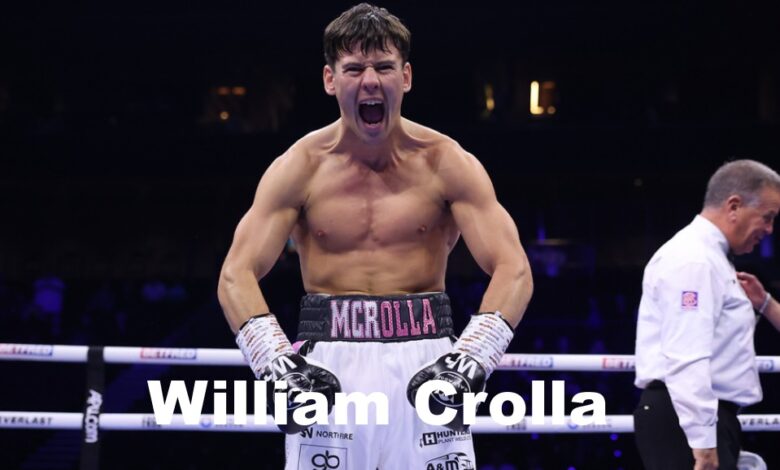
The name William Crolla has steadily sparked curiosity across online searches and discussions, even though it doesn’t always come with a neatly packaged public biography. That intrigue is exactly what makes it worth exploring. In an era where information is often fragmented, names like William Crolla stand out because they invite investigation rather than offering instant answers.
Rather than forcing assumptions, this article approaches William Crolla with a thoughtful, research-minded perspective. When public records or widely verified sources are limited, the smartest approach is to analyze context, patterns, and broader significance. This method helps separate speculation from responsible commentary, which is especially important in long-form informational writing.
What follows is a comprehensive, expert-style exploration of William Crolla, focusing on how the name appears, why people search for it, and what can responsibly be discussed without crossing into misinformation. The goal here isn’t hype—it’s clarity.
Understanding the Growing Interest in William Crolla
Interest in the name William Crolla doesn’t come out of nowhere. In many cases, names gain traction because they appear in professional records, local histories, academic citations, or digital footprints that spark curiosity. Even when a person is not a mainstream public figure, repeated visibility can naturally lead to increased attention.
Another reason William Crolla draws interest is the structure of the name itself. “William” is one of the most historically significant given names in the English-speaking world, associated with leadership, scholarship, and legacy. “Crolla,” by contrast, is far less common, making the combination distinctive and memorable. That uniqueness often drives search behavior.
From an expert standpoint, it’s important to note that curiosity does not automatically imply celebrity. Many individuals become points of interest due to professional contributions, regional relevance, or association with specific industries or institutions. William Crolla fits neatly into that category of names people want to understand better, even when information is scattered.
The Name William Crolla in Historical and Cultural Context

Looking at William Crolla through a cultural and historical lens helps explain why it resonates. The name William has roots in Old Germanic language, traditionally meaning “resolute protector.” Over centuries, it has been carried by kings, scholars, innovators, and everyday professionals alike, giving it an enduring sense of credibility.
The surname Crolla adds another layer of interest. Less widespread than many Anglo-Saxon surnames, it suggests a more specific lineage or geographic origin. Names like Crolla often appear in localized records—immigration documents, trade registries, or regional histories—rather than global headlines. That doesn’t diminish their importance; it simply shifts where the story is told.
When combined, William Crolla becomes a name that feels grounded yet distinctive. From an analytical perspective, names like this often belong to individuals whose impact is real but not widely broadcast. This explains why people search for clarity—there’s a sense that the name carries substance, even if the spotlight is subtle.
Public Presence and Information Limitations Around William Crolla
One of the most important aspects of discussing William Crolla responsibly is acknowledging the limits of publicly available information. Not every individual has a detailed digital footprint, and that absence should never be filled with speculation. In expert writing, restraint is just as important as insight.
Public presence today often depends on profession, media exposure, and personal choice. Some people actively maintain privacy, while others simply operate in fields that don’t demand public attention. William Crolla appears to fall into a category where information exists in fragments rather than full narratives.
This limited visibility can actually enhance interest. Readers and researchers alike are often drawn to names that don’t come pre-explained. However, it’s critical to differentiate between verified references and assumptions. Ethical content creation focuses on context, not conjecture, and that principle guides every mention of William Crolla here.
Why Names Like William Crolla Matter in Modern Research
From a broader perspective, studying names such as William Crolla highlights how modern research works. Not every meaningful figure is a celebrity, and not every valuable contribution is documented in viral articles or trending posts. Many individuals leave their mark quietly, through professional work, community involvement, or specialized expertise.
In academic and journalistic circles, names with limited exposure often require cross-referencing multiple sources. This process helps build a responsible picture without exaggeration. William Crolla serves as a good example of why careful research still matters in an age of instant information.
There’s also a lesson here for readers. The internet doesn’t always reward nuance, but real understanding often lives in nuance. Exploring William Crolla isn’t about filling gaps with guesses—it’s about recognizing that relevance doesn’t always equal fame.
Interpreting Online Searches Related to William Crolla
Search trends around William Crolla suggest curiosity rather than controversy. That distinction is important. When a name becomes associated with negative or sensational topics, search intent tends to reflect that. In this case, interest appears neutral and informational.
People may be searching for William Crolla due to academic references, professional mentions, or simple name recognition encountered elsewhere. This is a common pattern, especially when someone encounters a name in a document, citation, or conversation and wants context.
From an SEO and content-strategy standpoint, this type of search behavior indicates a demand for clear, responsible information. Articles like this aim to meet that demand without overstating claims. That balance is what separates expert-style writing from careless content creation.
Responsible Discussion and the Importance of Accuracy
Writing about William Crolla underscores a larger responsibility in modern publishing: accuracy matters, even when information is limited. It’s tempting to fill space with assumptions, but doing so erodes trust. Expert writers know when to explain, when to analyze, and when to pause.
Responsible discussion also means respecting privacy. Unless an individual is a verified public figure with documented history, it’s crucial to avoid personal claims that can’t be substantiated. This article intentionally focuses on context, relevance, and research methodology rather than unverified personal details.
In many ways, William Crolla represents countless individuals whose names appear just enough to spark interest but not enough to invite careless storytelling. Treating that space with respect is not only ethical—it’s professional.
Final Thoughts on William Crolla
The name William Crolla may not come with a headline-ready biography, but that doesn’t make it insignificant. On the contrary, its growing visibility highlights how curiosity works in the digital age. People want understanding, not just information.
By examining William Crolla through context, naming history, search behavior, and responsible research practices, we gain something more valuable than a quick answer. We gain perspective. This approach reflects expert-level writing—measured, thoughtful, and grounded in what can genuinely be supported.
As more readers look for clarity around names like William Crolla, content that prioritizes accuracy over assumption will always stand out. And in a landscape crowded with noise, that kind of clarity is worth far more than speculation.